
High humidity is part of life along the Gulf Coast, and if you live in this region, you know that the sticky weather doesn’t just stay outside. When damp air finds its way into your home, it does more than make you feel uncomfortable. The consistent high moisture can lead to poor indoor air quality, triggering issues like mold, mildew, dust mites, and increased allergens. Understanding the connection between humidity and indoor air quality can help you create a healthier home environment, especially as spring and summer bring longer stretches of humid weather.
Why Humidity Matters for Home Air Quality
When indoor humidity rises above 60 percent, your home becomes a breeding ground for allergens and irritants. Mold and mildew colonies thrive in these damp conditions, particularly in areas such as basements, bathrooms, closets, and even inside walls. Not only can this damage your home’s structure and belongings, but it also releases spores and musty odors into the air you breathe. People with allergies or asthma often notice their symptoms worsen during high humidity periods, as the air inside traps these contaminants.
How High Humidity Triggers Allergens and Mold
Along the Gulf Coast, it’s common for air conditioners to work overtime in the summer, but even a well-running unit may not address excess moisture if it’s not properly maintained. Excess moisture fuels mold spores that attach to drywall, ceilings, and within ductwork. Additionally, dust mites, another common allergen in this climate, are more active when humidity is high. These combined factors can degrade your indoor air quality quickly:
-
Discoloration or streaks on walls and ceilings indicate possible hidden mold.
-
Persistent musty or “damp” odors may signal microbial growth.
-
Increased sneezing, coughing, or sinus issues often point to allergen buildup.
The Role of Your HVAC System in Humidity Control
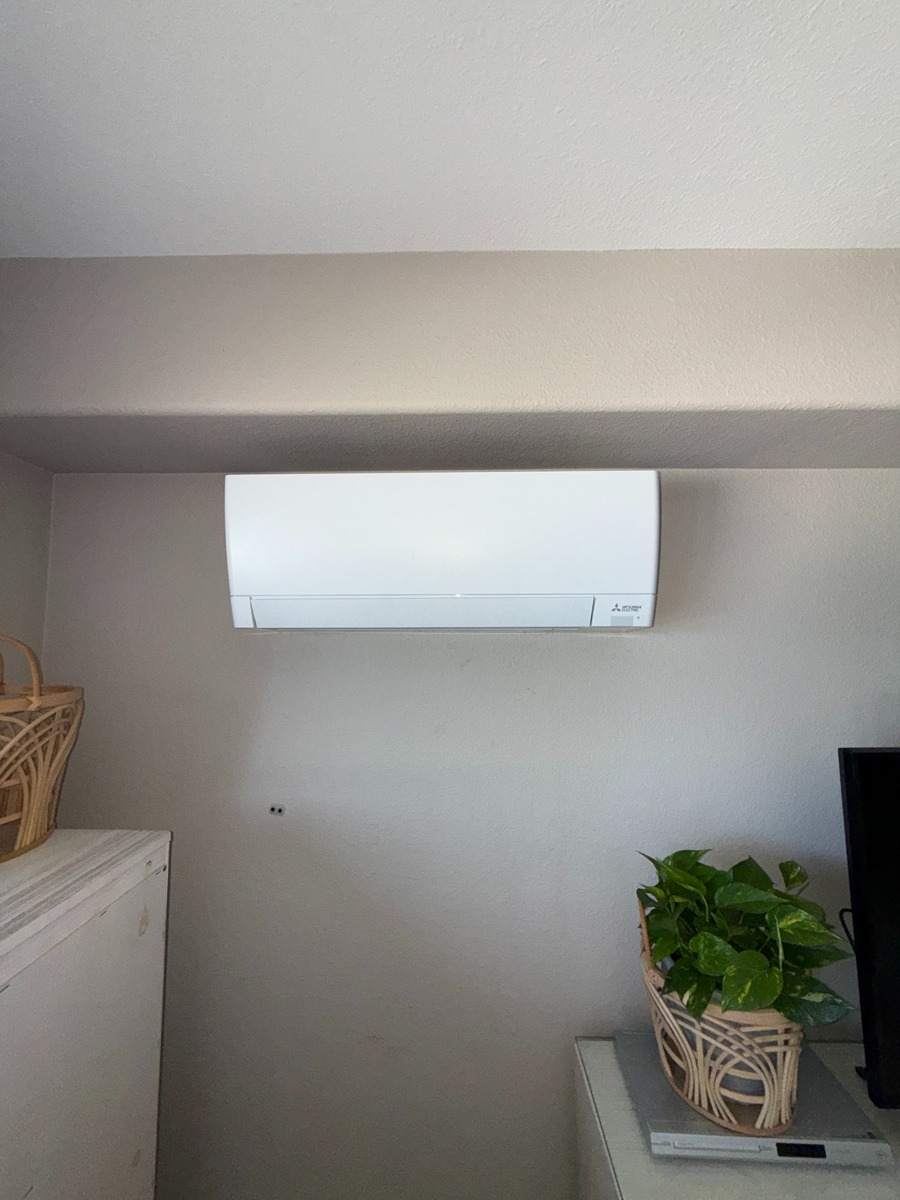
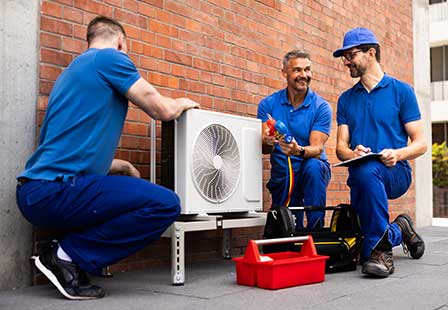
A well-maintained HVAC system is essential in Pensacola and surrounding Gulf Coast communities for controlling humidity. When your system’s coils, filters, and drainage lines are kept clean, it can more effectively remove moisture from the air as it cools your home. Adding a dedicated dehumidifier or upgrading to a high-efficiency air conditioner can provide even better humidity control. With professional HVAC maintenance, you can ensure the equipment operates at peak performance, reducing the risks associated with high humidity.
Filtration and Air Purification Solutions
To further protect your indoor air, advanced filtration and air purification can target the microscopic pollutants that come with damp weather. Upgrading to HEPA or electronic filters, as well as using UV air purifiers, can eliminate the majority of airborne particles, spores, and bacteria. Routine filter replacement on your air conditioning service plan helps ensure that these solutions work optimally regardless of season.
Simple Tips to Manage Humidity and Improve Air Quality
Managing humidity doesn’t have to be complicated. Some simple, effective strategies include:
-
Running exhaust fans in bathrooms and kitchens to vent moisture outdoors.
-
Keeping doors and windows closed when running air conditioning.
-
Repairing leaks in plumbing, roofs, or around windows promptly.
-
Scheduling annual HVAC checkups to identify and resolve humidity issues early.
These measures, combined with professional service, help ensure a more comfortable and healthier home for your family.
Start Breathing Healthier Air in the Gulf Coast Today
If you’re dealing with musty odors, visible mold, or nagging allergy symptoms in your Pensacola, FL, Gulf Breeze, FL, Foley, AL, or Orange Beach, AL home, it’s time to get help from the professionals at Perdido Heating and Air. Let our team assess your humidity and air quality, recommend custom HVAC and filtration solutions, and help you achieve the comfort and peace of mind you deserve. Call us at (850) 492-1971 or fill out our online contact form to schedule your home’s indoor air quality evaluation today.







Leave a Reply